Full house for meeting on CFIA traceability regulations
January 19, 2026, 9:57 am
Nicole Taylor, Local Journalism Initiative Reporter
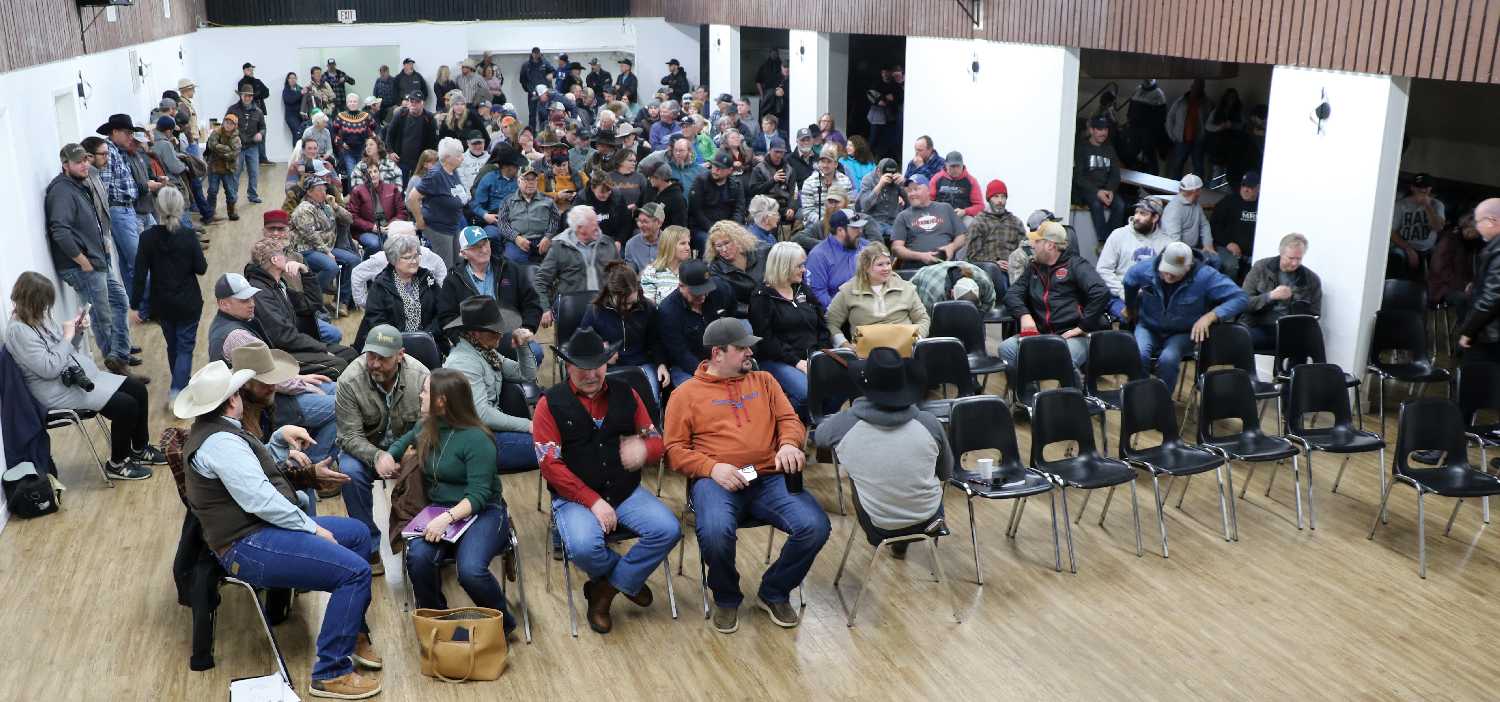

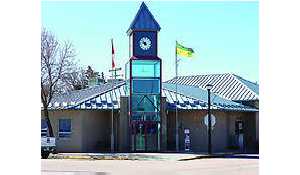
About 300 livestock producers crowded into the Wawota town hall Thursday to discsuss proposed changes to the Canadian Food Inspection Agency’s traceability regulations.
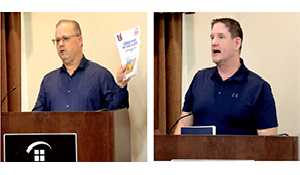
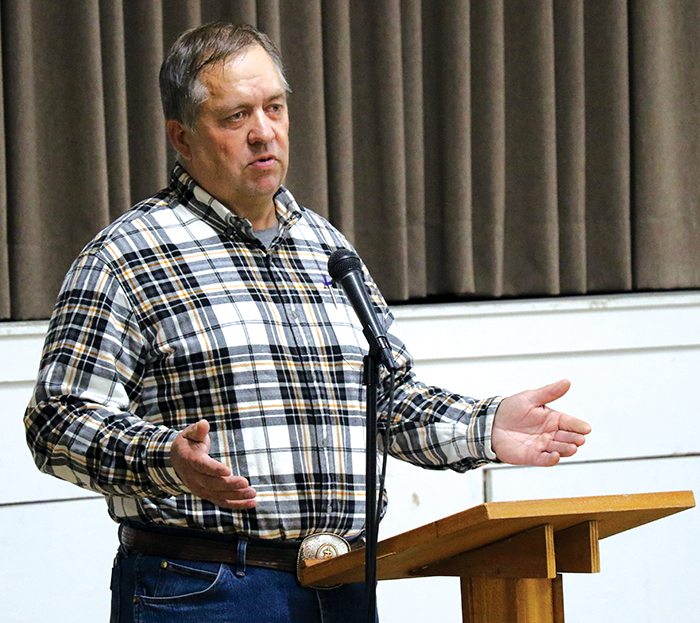
Henry McCarthy, 2nd Vice President of Saskatchewan Stock Growers Association (SSGA), the SSGA’s rep on the Saskatchewan Cattlemen’s Association board, and local veterinarian, said the focus following the meeting is for producers to work through their associations to formally bring their concerns forward.
“The next steps will be formulating resolutions through the various associations in the province to get the will of the producers, their desires, into the hands of the people in government,” McCarthy said.
He said the meeting was intended to allow information to move from producers upward. “Yesterday was about information flowing from the grassroots up, not top down,” he said.
Strong turnout
McCarthy said the strong turnout reflected growing frustration among producers.
“These people are hard to get out to meetings,” he said. “They’re independent farmers, and they’ve traditionally trusted their representatives or left it up to somebody else. The fact that this many people came out tells you something.”
He said trust in the Canadian Food Inspection Agency has declined over time, largely due to communication issues.
“When things get bungled, it’s through poor communication,” McCarthy said. “People are going to lose faith in you. When they feel there’s no accountability and no voice, people get pretty frustrated.”
McCarthy said producers are particularly concerned that proposed traceability changes would increase their workload.
“They’re just transferring the workload from the CFIA veterinarian to the producer,” he said. “That paperwork burden is a big concern.”
He said producers are not opposed to traceability, but want practical solutions that build on systems already in place.
“We’ve spent a lot of money creating brand inspection databases and tracing movement,” McCarthy said. “Does it make sense to go reinvent the wheel?”
McCarthy said his hope is that industry groups can work together and repair relationships with CFIA.
“My best hope is that we repair all the relationships and come up with workable solutions that demonstrate compliance and producer buy-in, without creating extra workload for producers,” he said.
He encouraged producers who were unable to attend the meeting to become involved through their associations and elected officials.
“Contact your provincial association. Come to a meeting. Have your voice heard,” McCarthy said. “Contact your local MLA or MP. Their job is to represent you, but they need direction.”
Participation is key
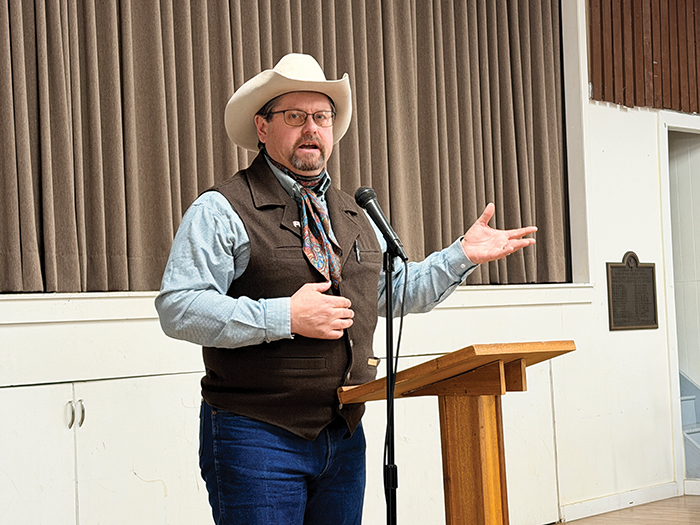
McCarthy said participation is key if producers want to influence the outcome.
“If you sit at home and do nothing, then everything stays status quo,” he said. “This was a chance for people to speak up.”
He said he believes that it’s possible for producers to influence CFIA’s proposed regulations if the groups representing producers speak with one voice.
He said the groups should focus on a few of the most important changes they would like to see, potentially including a mechanism for producer input to the CFIA, possibly through an advisory board.
One of the ideas suggested from the floor. aybe we need to have a board in the CFIA where there’s producers from every region.
“What we need is representation that actually works.”
The Wawota meeting was organized following widespread discussion about potential Canadian Food Inspection Agency (CFIA) amendments that would significantly expand reporting requirements for livestock movements.
While CFIA has since announced it will pause publication of the proposed regulations to allow for more input, producers said uncertainty, lack of consultation, and past experience with enforcement have left them deeply uneasy.
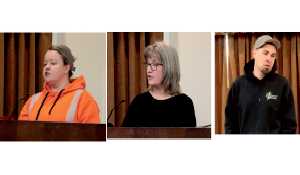
“This isn’t about being anti-traceability,” one producer told the room. “This is about how far it goes, who controls it, and what happens if you don’t comply.”
A central frustration raised throughout the meeting was that producers said they still do not clearly understand what would be required of them under the proposed changes.
“How are we supposed to come up with resolutions when we don’t even know what they’re asking us to do?” one rancher asked.
Several speakers noted that information about the proposed regulations has largely been learned through other producers, rather than direct communication from CFIA with producers themselves.
“That’s the problem,” another producer said. “The goalposts keep moving, and nobody can stand up here today and tell us exactly what the final rules are.”
Concerns over government overreach
While opinions varied on how traceability should evolve, many speakers framed the issue as one of rights and control rather than technology.
“This cannot happen without compliance,” one producer said. “But once people are scared, they’ll start enforcing it themselves. Pasture boards, auction marts, shows—before there’s even a law in place.”
Producers repeatedly emphasized that as they understand it, expanded reporting requirements would amount to constant oversight of routine farm activities.
Several expressed concern about data ownership and access, questioning who would control the information once it is reported and how it could be used.
“If somebody sitting in an office somewhere can pull up my file and ask me where all my cattle are, and I can’t give them exactly what they want, what happens then?” One producer asked. “That’s a huge grey area.”
Past dealings with CFIA enforcement weighed heavily on the discussion. Some producers recounted being warned of substantial fines for late or incomplete reporting under existing traceability rules, even when issues arose from practical realities such as lost tags or emergency livestock movements.
“I was told if I didn’t upload information within 24 hours, I could face a $6,000 fine,” one former tag distributor said. “That would have wiped out years of profit.”
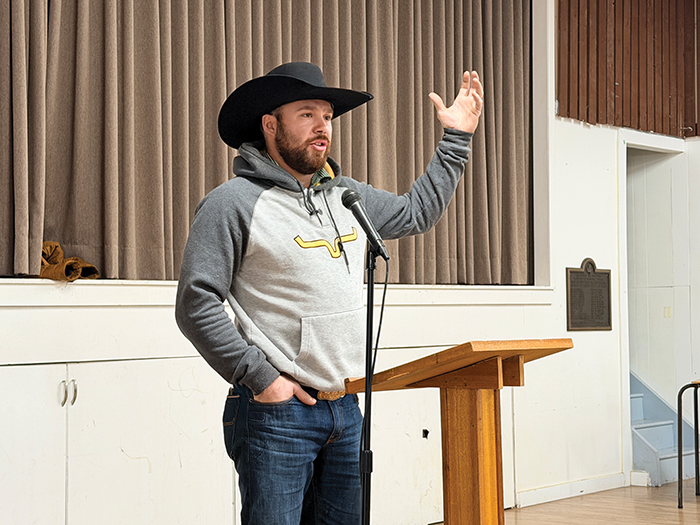
A veterinarian in attendance also warned that proposed requirements to report livestock movements to and from veterinary clinics could discourage producers from seeking timely care.
“If people are afraid they’ll miss a reporting deadline or make a mistake, animals will suffer,” one veterinarian said. “That’s not hypothetical—that will happen.”
Many speakers tied their concerns to the long-term sustainability of agriculture, particularly for small and mid-sized operations.
“This is how you push people out,” one producer said. “Older producers won’t stick around for this, and young people won’t get into an industry where one mistake could mean fines or penalties.”
Others pointed to the potential ripple effects on rural culture, including 4-H programs, agricultural exhibitions, rodeos, and community pastures, where organizers may feel pressured to impose traceability requirements prematurely out of fear of non-compliance.
“There won’t be anyone left to volunteer, to organize, to teach kids,” one speaker warned. “Who’s going to take that on?”
Despite the frustration expressed, many speakers stressed they were not calling for the elimination of traceability, but rather for a system designed and controlled by producers themselves.
“We already have traceability,” one attendee said. “RFID tags, manifests, brands, bills of sale—that’s all real, functional traceability.”
Several speakers called for clearer limits on what data must be reported, direct consultation with producers rather than top-down regulation, greater producer representation within CFIA and traceability governance, accountability and transparency around enforcement.
Some also urged that CFIA agriculture oversight be returned under the authority of Agriculture Canada instead of Health Canada, arguing inspectors and policymakers must better understand livestock production realities.
“We want accountability,” one speaker said. “People making decisions about cattle should know cattle.”
Organizers encouraged producers to remain engaged through industry associations, submit resolutions, and attend upcoming provincial and national meetings, saying the level of turnout demonstrated the seriousness of the issue.
“This is our livelihoods,” one producer said in closing. “If we don’t speak now, we may not get another chance.”
Tweet